
Fuel for rubber smokehouses: holding temperature steady
The grade of ribbed smoked sheet depends on holding temperature and smoke steady across the cycle. The variable that most often prevents that is not the furnace but fuel moisture swinging between batches.
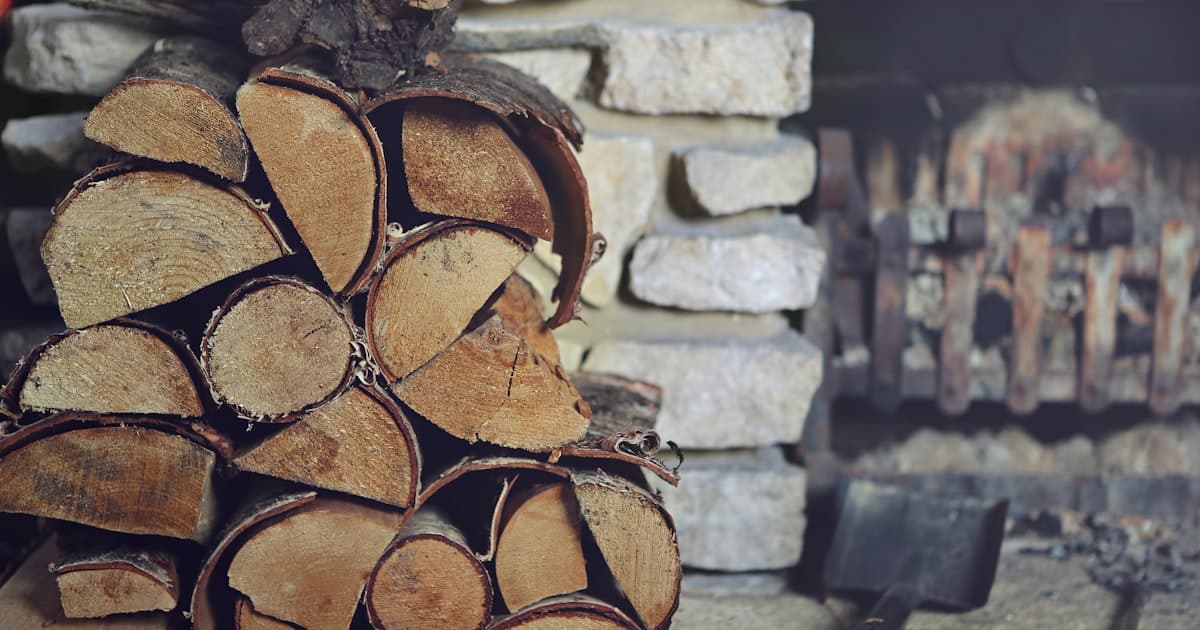
Photo: andre govia on Unsplash
Why moisture matters more than expected
Wet fuel spends part of its energy driving off water before it delivers useful heat.
Two things follow: temperature rises more slowly than it should, and the smoke carries more water vapour, which affects both cycle time and the sheet that comes out.
If this batch is 35% and the next is 50%, the operator is guessing afresh each time. The result will not be consistent however skilled they are.
An attractive average means nothing if batches differ
This is where many buyers go wrong by asking only for average moisture, when what affects the work is the range.
Fuel at a steady 43% every batch is easier to run than fuel averaging 38% but swinging between 25% and 50%.
When asking for a specification, ask for both the average and the range.
What to choose
10 mm chips suit mid-size smokehouses. They ignite quickly and allow finer control of feed rate than larger chips.
30 mm chips suit larger furnaces burning continuously for long periods without frequent refilling.
Pellets hold the lowest and most consistent moisture, so temperature is steadiest. Cost per unit of heat is higher, which suits houses valuing grade consistency above fuel cost per kilogram.
The rubberwood advantage
Most smokehouses sit inside the rubber-growing belt, which is also where the feedstock is. Short haul distances give a cost advantage.
And because it is one species from plantations of similar age, calorific value is more consistent than mixed wood waste.
Before changing supplier
- Ask for moisture as both an average and a range
- Ask for ash content as a percentage
- Order a trial batch and time the cycle against your current fuel
- Ask whether supply comes from the same source year-round or changes with availability
We produce from rubberwood and mixed hardwood in Trang, screening every batch before chipping, and deliver across Songkhla, Yala, Pattani and Narathiwat. Call +66 92 392 2292.
Reviewed by
Morse · Plant Manager, NTC Biomass
Runs the chipping yard in Ratsada, Trang, and takes customer calls directly. Outside figures in this article are cited in the sources at the end.
Related articles
Wood chip specifications for biomass plants and boilers
Calorific value, moisture and chip size for rubberwood chips: the three numbers your boiler cares about, and how to choose between 10 mm and 30 mm.
Thailand rubber production and the provinces that grow the most
23.82 million rai planted, 4.81 million tons produced, 57% of the area in the South. Which provinces grow the most, with 2024 figures from OAE.