
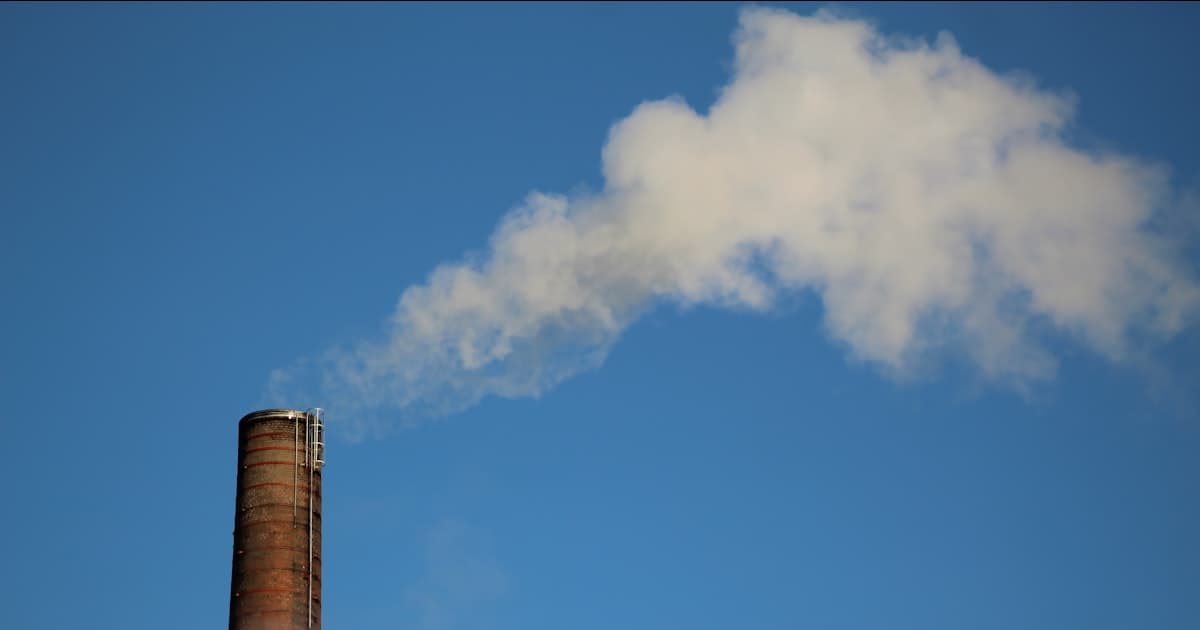
Biomass and Scope 1 reporting: does it actually cut your emissions?
5 min read
How burning biomass is accounted for in Scope 1, what has to be added rather than removed, and the claims that create greenwashing risk.

Notes on biomass fuel, wood chips, rubberwood pellets, and industrial fuel choices.
How burning biomass is accounted for in Scope 1, what has to be added rather than removed, and the claims that create greenwashing risk.

Moisture rises, field access worsens and calorific value drops. What a plant should change about stock levels and contract terms before the wet season starts.
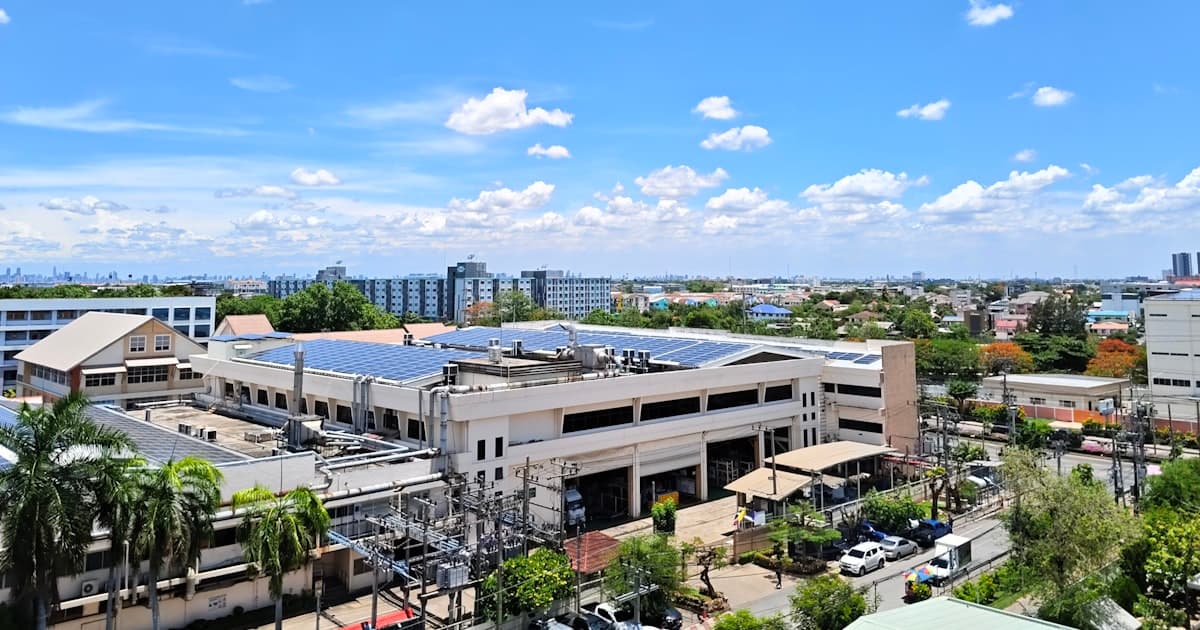
Biomass and solar solve different problems, heat versus electricity. Which one a plant should install, and why many end up running both.
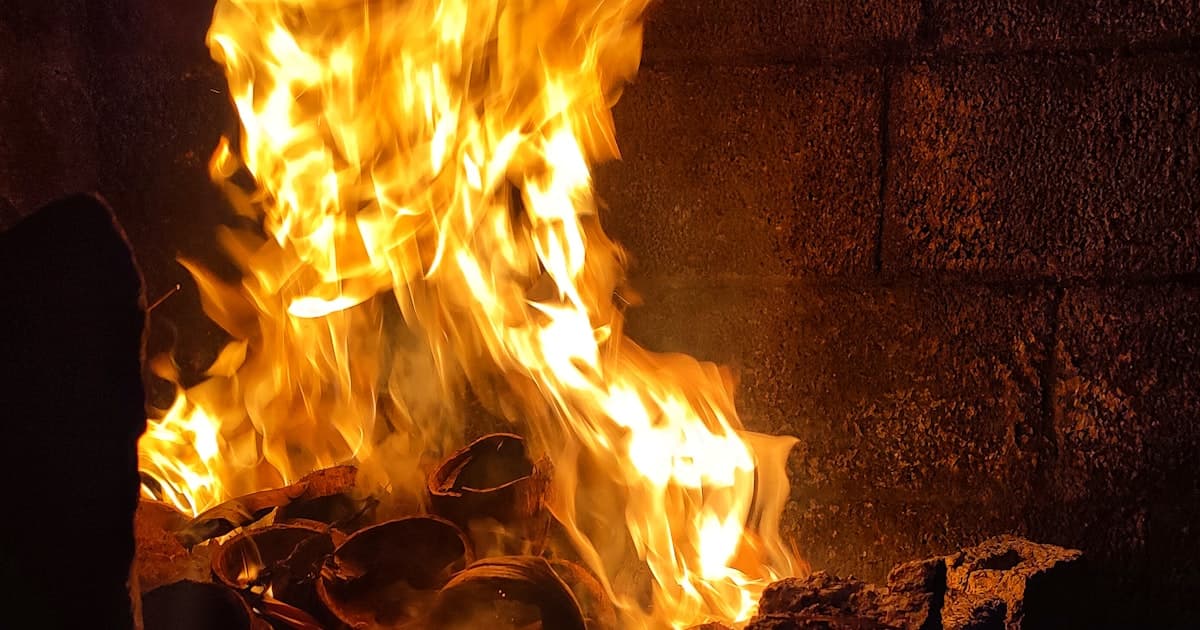
Wood ash mixed with soil, sand or bark fuses at lower temperatures because potassium meets silica. Which variables an engineer can actually change, and how much of the cause is the fuel.

The cost-per-unit-of-heat calculation for procurement teams, plus the six costs that never appear on a quotation.
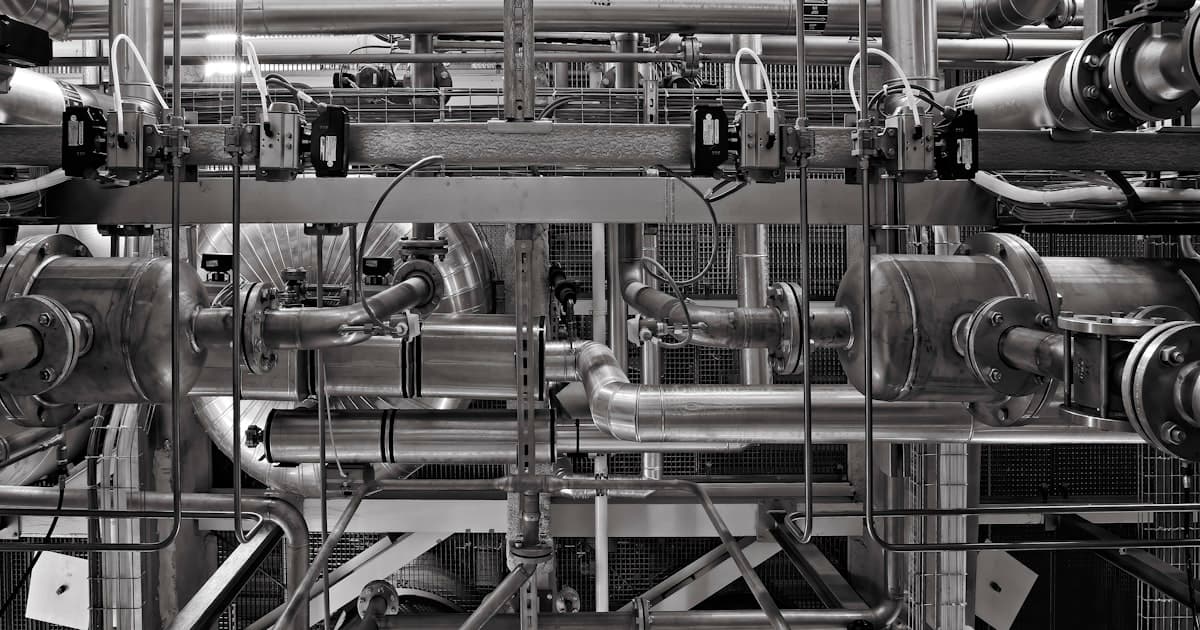
Whether combustion gas can reach the product in an indirect steam system, and what genuinely changes for a food or seafood processor.
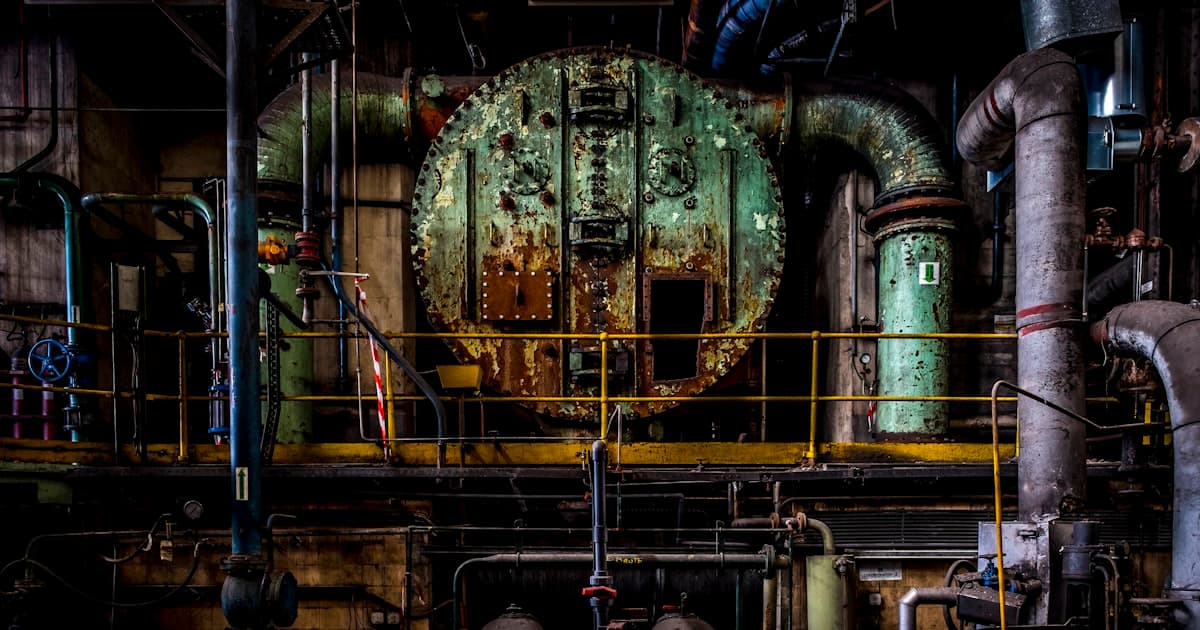
Hotels run steam year-round for laundry and hot water. How to compare LPG and pellets on cost per unit of heat, and the constraints to accept before committing.
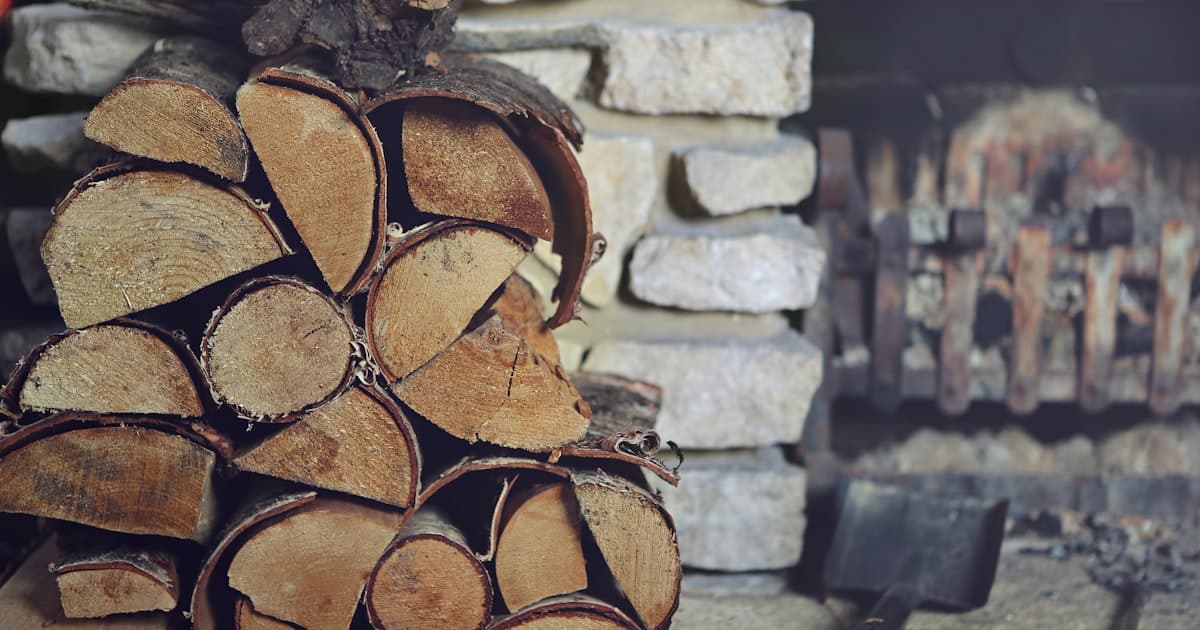
Ribbed smoked sheet grading depends on steady temperature and smoke. Why the moisture range of the fuel matters more than its average.
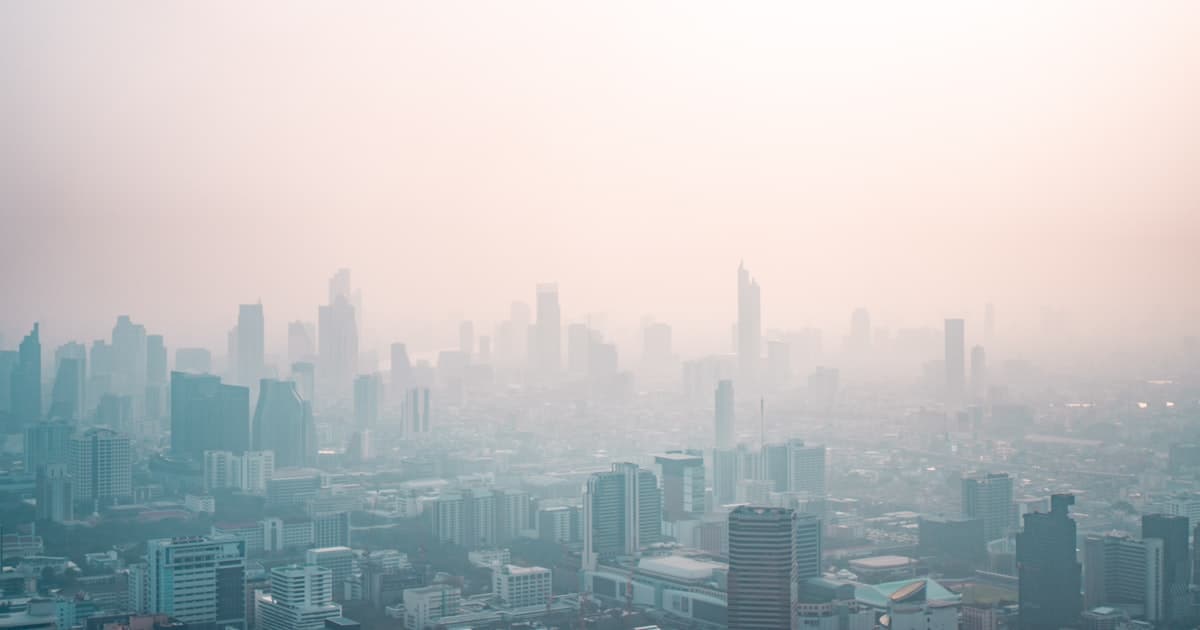
How the burning of rubber residue after replanting happens in Southern Thailand, why growers do it, and why telling growers to stop burning does not work on its own.
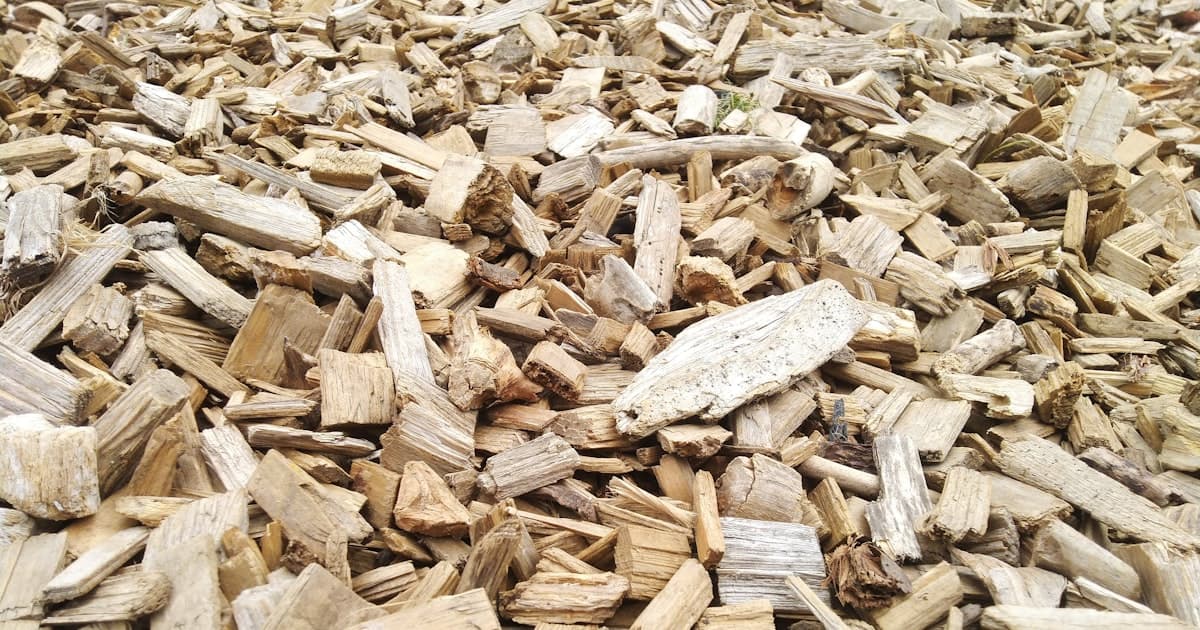
A common mistake is miscalculating feedstock, not choosing machinery. The three variables that decide viability, and the costs that are usually left out of the plan.

The South replants rubber every year, and the wood from felling is a continuous feedstock rather than an incidental residue. What that means for plants buying fuel.

Plants that sign fuel contracts on a rising market usually pay more than expected, not on price per ton, but on a specification that never matched the boiler.

Biomass is bulky, so every part load wastes more. Why part loads cost more per ton, what determines the actual tonnage, and what to settle before scheduling.

Calorific value, moisture and chip size for rubberwood chips: the three numbers your boiler cares about, and how to choose between 10 mm and 30 mm.

Thailand's first clearly documented rubber planting was at Kantang, Trang, in 1899. Who brought it, why, and why the same province now supplies biomass fuel.

23.82 million rai planted, 4.81 million tons produced, 57% of the area in the South. Which provinces grow the most, with 2024 figures from OAE.

What "carbon neutral" means for biomass fuel, the two conditions that make it true, and where biomass genuinely beats coal and where it does not.

What comes out of the stack burning coal, how biomass differs, and the part that is usually overstated: biomass is not pollution free.

Rubberwood has an advantage no other Thai biomass has: supply tied to the replanting cycle rather than a harvest season. Also the constraints that decide whether a project works.

Stumps get dug out anyway to stop white root disease. Why the densest wood on the tree ends up on a bonfire, and what has to happen before it can be sold as fuel.

Chipper, hammer mill, dryer and pellet mill: what each does, and why the drying stage is the main reason pellets cost more than chips.