
Can a food plant run on biomass? Odour and hygiene, answered
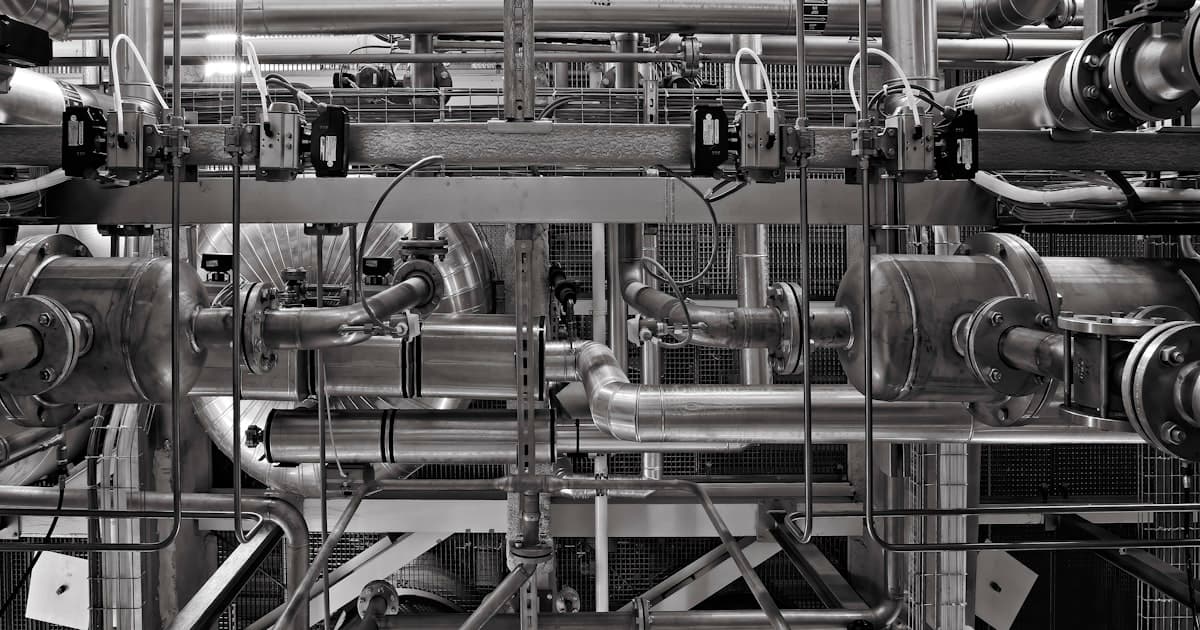
Seafood and food processors use steam heavily for cooking, blanching and sanitation. The first question asked about biomass is always the same: will smoke taint the product?
Photo: Ricardo Gomez Angel on Unsplash
The short answer
No, in an indirect steam system.
In a conventional boiler the fuel burns in the combustion chamber and heat transfers through the tube walls to the water. Combustion gas never contacts the water or the steam. It leaves by a separate flue.
The steam entering your process comes from treated feedwater, exactly as it did on fuel oil or gas.
The exception is any system where hot gas touches product directly, such as some dryer designs. That has to be assessed case by case.
What genuinely changes
Fuel storage. You need a yard or shed, sited away from production areas for both hygiene and moisture control.
Dust during handling. Tipping and feeding raise wood dust. Position the store and consider prevailing wind so it does not drift toward production.
Ash. A collection routine and an interim store, on a route that does not cross clean zones.
Pest control. A fuel pile is somewhere for pests to shelter. If the plant runs a pest management programme to standard, the fuel area has to be in it.
Why many food plants choose pellets
Pellets cost more per unit of heat than chips, but they throw far less dust, store in a closed silo, and can be fed through a closed system end to end.
For a plant that has to pass audits, the cleanliness of the fuel system often outweighs the price difference.
Plants with clearly separated areas and a yard well away from production buildings run on chips without difficulty.
What to prepare before talking to a supplier
- Steam demand per hour and operating hours per day
- Current fuel and the price actually paid
- Available space for storage, and its distance from production buildings
- Which standards the plant holds, since it affects how the fuel area has to be laid out
We supply seafood processors across Southern Thailand on both the Andaman and Gulf coasts. Send those details for an assessment. Call +66 92 392 2292.
Reviewed by
Morse · Plant Manager, NTC Biomass
Runs the chipping yard in Ratsada, Trang, and takes customer calls directly. Outside figures in this article are cited in the sources at the end.