
Starting a biomass fuel plant: what decides whether it works
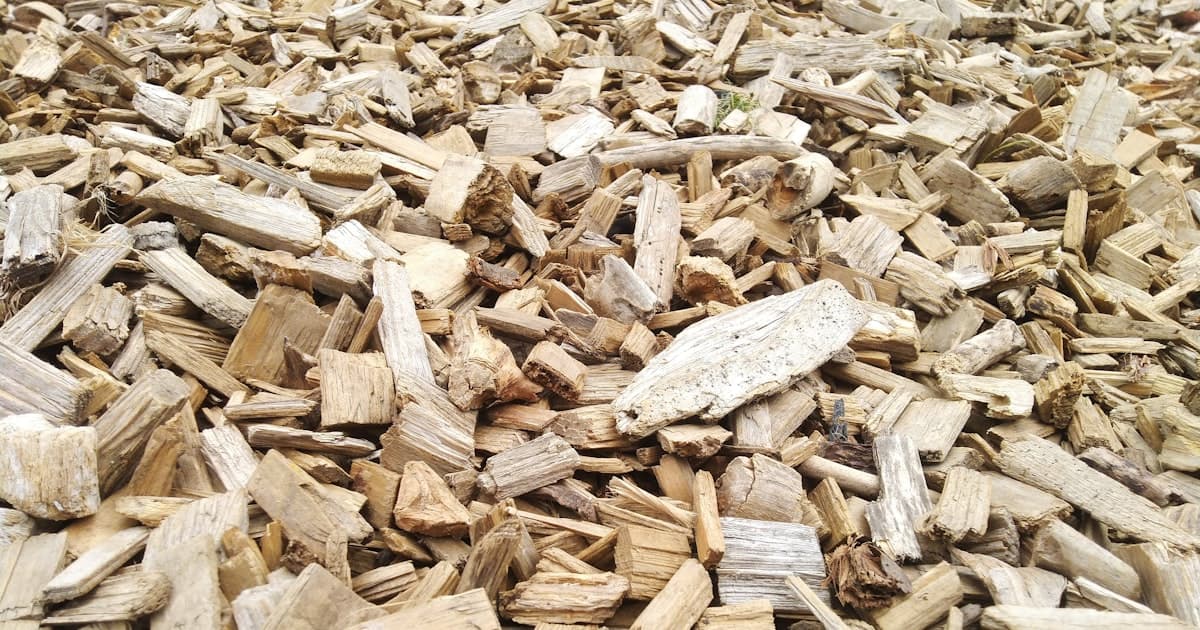
The easiest mistake to make in a biomass fuel project is not the machinery. It is miscalculating the feedstock at the start.
Photo: Slava Kompaniets on Unsplash
Three variables that decide everything
One: how much feedstock genuinely exists, within what radius.
Biomass is bulky, so freight is a large share of cost. Past a certain distance the project does not work regardless of how good the equipment is.
Calculate from actual planted area and replanting cycles within a haulable radius, not from national figures.
Two: the real moisture of the feedstock you will receive.
This is where ROI most often breaks. The plan assumes wood at 30% moisture; what arrives is 45–50%. The dryer works harder than designed, output falls short of target, and energy cost runs above plan.
Three: who you are selling to.
Biomass power plants take volume but press on price and want long contracts. General factories pay better but order in scattered quantities. Pellet export demands consistent specification and volume.
Answer this before buying equipment, because it determines whether you make chips or pellets, and at what capacity.
Chips and pellets are very different investments
Chips: screen → chip → ship. Much lower capital, faster to start.
Pellets: screen → chip → mill → dry → pelletise → cool → screen. Several times the capital, particularly the dryer, which consumes both investment and energy.
Pellets cost more per ton because of those stages, not because the feedstock differs. It is the same feedstock.
Costs usually missing from the plan
- Screening. If feedstock carries soil, blades and screens wear far faster than the equipment vendor indicated.
- Yard space. For both incoming feedstock and finished product, with allowance for uneven supply.
- Working capital. You pay for wood before customers pay you. That gap consumes more liquidity than expected.
- People who can run the line. Harder to find than machinery.
Questions to answer before signing for equipment
- What is the feedstock radius, and how many tons per month exist inside it?
- What is the real moisture in each season?
- Who is the target customer, and what specification do they take?
- If output reaches only 60% of design, does it still work?
The last matters most, because a new project should assume it may not run at full capacity in year one.
Talk to someone who runs the line
We produce at our own plant in Trang every day and are not an equipment dealer, so we can say plainly what works and what will not for your area, from feedstock assessment through to equipment specification. Call +66 92 392 2292.
Reviewed by
Morse · Plant Manager, NTC Biomass
Runs the chipping yard in Ratsada, Trang, and takes customer calls directly. Outside figures in this article are cited in the sources at the end.
Related articles
Wood processing machinery for biomass: four machines and what they decide
Chipper, hammer mill, dryer and pellet mill: what each does, and why the drying stage is the main reason pellets cost more than chips.
When the fuel market heats up, deciding fast gets expensive
Plants that sign fuel contracts on a rising market usually pay more than expected, not on price per ton, but on a specification that never matched the boiler.